
Budget Information
Trustee Dr. Lathan (Area 2) and
Trustee Cobos-Smith (Area 4)
Virtual Link:
Trustee Area 2 and 4 Community Budget Session
• Carmen Dragon Elementary School
• John Muir Elementary School
• MNO Grant Elementary School
• Park Middle School
• Orchard Park School
• Sutter Elementary School
Trustee Brown (Area 3) and Trustee Rocha (Area 5)
Virtual Link:
Trustee Area 3 and Area 5 Community Budget Session
• Black Diamond Middle School
• Dallas Ranch Middle School
• Deer Valley High School
• Diablo Vista Elementary School
• Dozier-Libbey Medical High School
• Jack London Elementary School
• Lone Tree Elementary School
• Mission Elementary School
• Turner Elementary School
Trustee Hernandez (Area 1)
Virtual Link:
Trustee Area 1 Community Budget Session
• Antioch High School
• Antioch Middle School
• Belshaw Elementary School
• Bidwell High School
• Fremont Elementary School
• Kimball Elementary School
• Live Oak High School
• Marsh Elementary School
• Prospects High School
• Thomas Gaines Virtual Academy
Informational Budget Webinars
Please join us at a community informational Budget Webinar.
February 24, 2026, Online Webinar, 6-7 PM Online Budget Webinar
March 9, 2026, Online Webinar, 6-7 PM Online Budget Webinar
April 17, 2026, Online Webinar, 6-7 PM -Trustee Hernandez Area 1 Community Budget Session
April 17, 2026, Online Webinar, 6-7 PM Trustee Dr. Lathan Area 2 and Trustee Cobos-Smith Area 4 Community Budget Session
April 17, 2026, Online Webinar, 6-7 PM Trustee Brown Area 3 and Trustee Rocha Area 5 Community Budget Session
May 11th Online Webinar, 6-7pm: Online Budget Webinar | Meeting-Join | Microsoft Teams CANCELLED
Budget Collaborative Committee
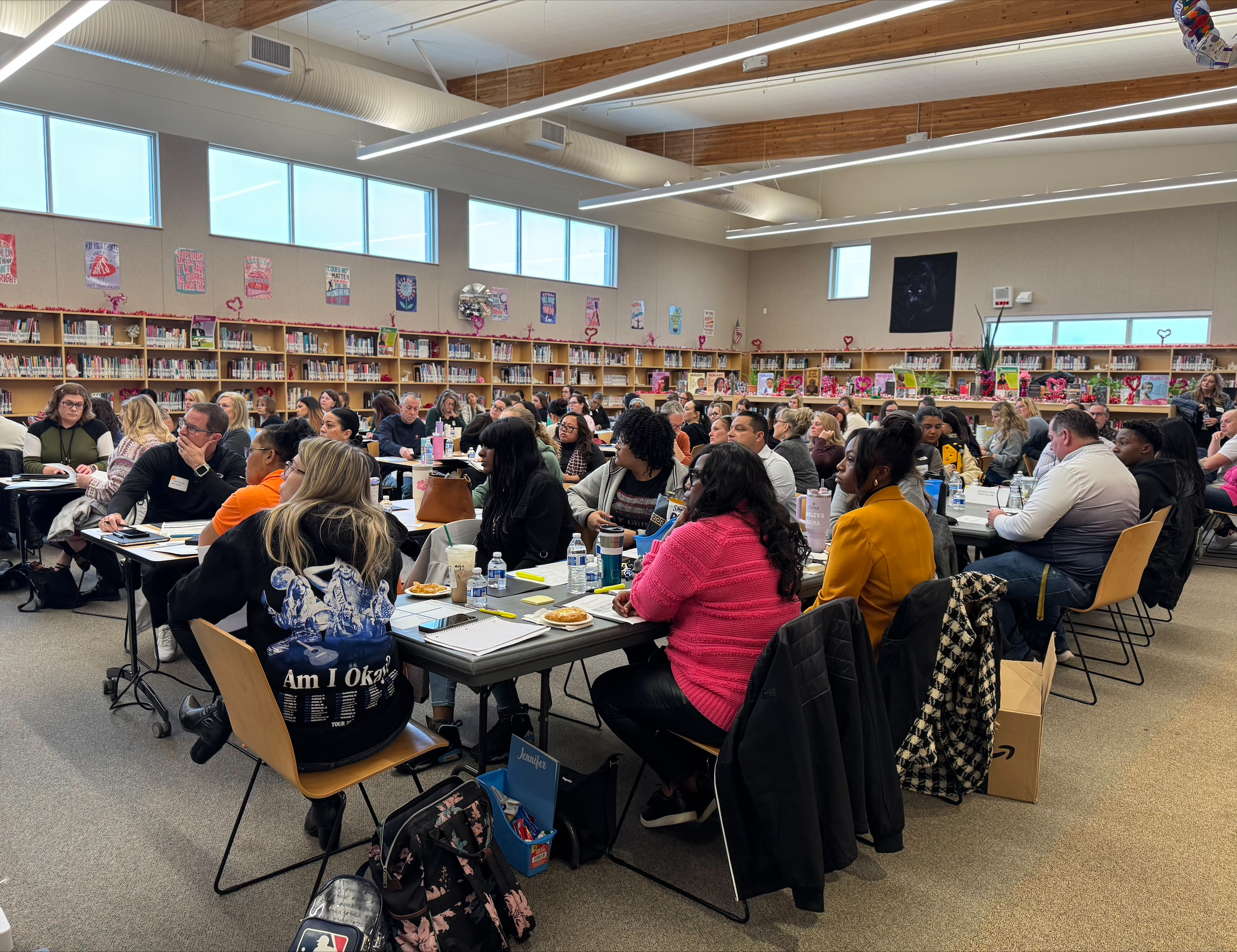
Budget Collaborative Communications
The next Budget Collaborative meetings will be on April 13th and April 22nd, 2026.
Participants
Adriana H. (Classified), Amanda F. (Teacher), Amanda G. (Principal), Anjee P. (Classified), Anndria R. (Classified), Ariana C. (Classified), Artero P. (Parent), Ashlee O. (Counselor), Ashley S. (Classified), Blair W. (Principal), Bonny B. (Principal), Brandon D. (Parent), Brian A. (CSEA President), Bridget S. (Principal), Bryan Z., (Classified) Camille J. (Assoc. Superintendent HR), Casey M. (Principal), Chelsea R. (Classified), Christen C. (Classified), Christie S. (Principal), Christina F. (Principal), Christina P. (Parent), Courtney E. (Teacher) , Courtney M. (Parent), Curtistean R. (Classified), Darnise W. (Superintendent), Dayna G. (Principal), Deanna A. (Teacher), Deb M. (Coordinator), Debbie P. (Classified), Diane L. (Classified) , Elaina L. (Principal), Elena M. (Classified), Ed D. (Director), Erica J. (Parent), Erich B. (Teacher) , Essence P. (Director), Esteban L. (Parent), Evelyn B. (Principal), Gloria Q. (Classified), Gregory K.(Parent), Gretchen G. (Principal), Heather O. (Principal), Henry J. (Teacher), Jasmine F. (Parent), Jason M. (Parent), Jason L. (Director), Jeffery W. (Parent), Jeffrey Z. (Classified), Jennifer R. (Teacher), Jesseca S. (Principal), Jessika T. (Teacher), Jody A. (Classified), John J. (Principal), Jonnie S. (Principal), Julie V. (Teacher), Katie I. (Director), Kelli B. (Classified), Kelly Q. (Director), Ken K. (Teacher), Kendra B. (Teacher), Krista P. (Principal), Kristine C. (Parent), LaTanya W. (Principal), Lana R. (Parent), LaShieka R. (Parent), Leslie M. (Teacher), Liah J. (Principal), Lindsay W. (Director), Lisa B. (Classified), Lisa G. (Classified), Lisa H. (Teacher), Loraine H. (Teacher), Mallory R. (Parent), Margaret T. (Classified), Maria V. (Teacher), Marie M. (Teacher), Mariela N. (Classified), Marissa D. (Classified), Mia C. (Director), Melissa H. (Teacher), Melissa W. (Director), Michele W. (Teacher), Mike F. (Principal), Mindy L. (Principal), Monica C. (Teacher), Natalie M. (Teacher), Natasha T. (Coordinator), Oralia P. (Teacher), Rachel F. (Principal), Raheem W. (Parent), Rebecca M. (Classified), Renata E. (Teacher), Renita A. (Coordinator), Robby B. (Principal), Robin E. (Teacher), Sabrina A. (Parent), Samantha M. (Classified), Sarah C. (Teacher), Sarah G. (Classified), Sarah M. (Teacher), Sarah R. (Principal), Suzy H. (Teacher), Sylvia R. (Principal), Taisha W. (Teacher), Tamara B. (Classified), Tamara D. (Teacher), Tim H. (Teacher), Tom G. (Teacher), Yessica M. (Parent), Yvette W. (Teacher)